Where Flavor Meets Feeling
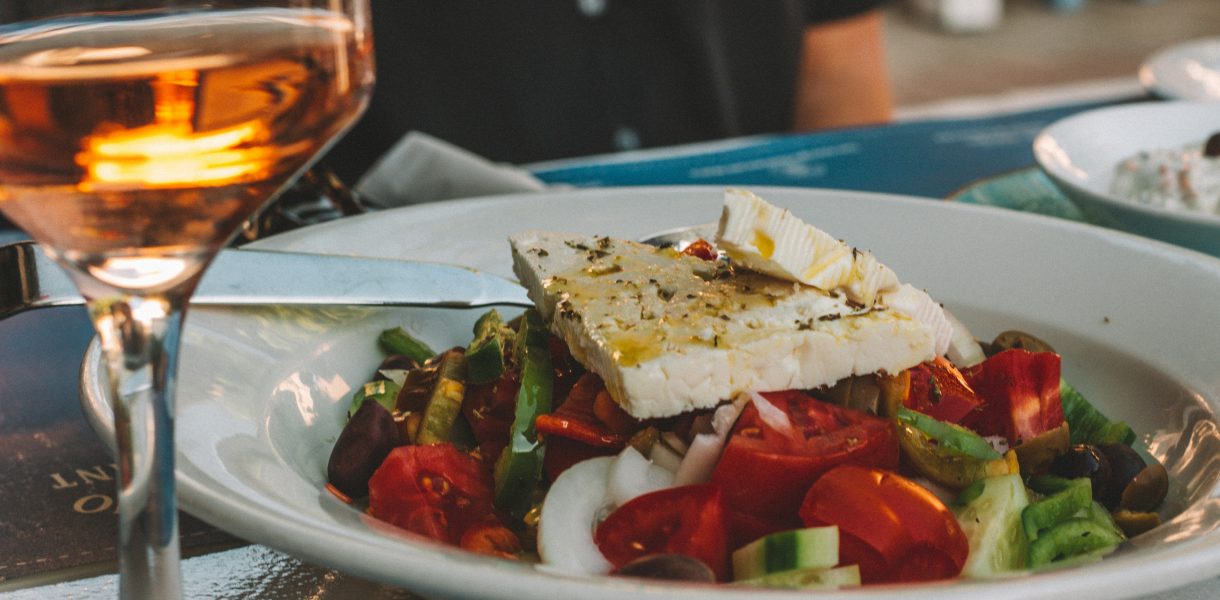
Food and wine were made for each other, and for bringing people together. Here, you’ll find approachable ways to pair them beautifully, whether you’re opening a weeknight bottle or curating a dinner worth remembering.
Explore how to balance flavors, enhance every meal, and build confidence in your own taste. From easy pairings to inspired recipes and sensory tips, Culinary Life helps you enjoy wine without intimidation—just pleasure, discovery, and a touch of indulgence.
“Wine is the intellectual part of a meal, while meat is the material.”
Alexandre Dumas, French novelist and playwright
Every bottle tells a story—and you don’t need to be an expert to enjoy it. Think of this as your friendly guide to discovering the world of wine, one sip (and one click) at a time. Explore the styles below to learn what makes each unique and find the flavors that speak to you. Because tasting wine should be about curiosity, not perfection.
And where better to begin your journey than with a toast? Let’s start with the wines that sparkle—those bright, effervescent bottles that turn even ordinary moments into occasions.
Champagne and Other Bubbly
“Only the unimaginative can fail to find a reason for drinking Champagne.”
Oscar Wilde, Irish poet and playwright

Fun Fact: Champagne isn’t just a drink—it’s a place. Only sparkling wines made in France’s Champagne region can truly bear the name. Everywhere else, you’ll find “sparkling wine,” which comes in every shade and style, from bone-dry Brut to softly sweet, from pale gold to blushing pink.
What makes it magical? The bubbles, of course. Those lively streams of sparkle turn any moment—morning, afternoon, or midnight—into a celebration.
Discover more →Sparkling Wine With Breakfast? Yes, Please!
As the bubbles fade, we move from celebration to charm—where the colors blush and the mood turns playful.
Rosé
“Where there is no wine, there is no love.”
Euripides, Greek dramatist

Fun Fact: Rosé gets its beautiful pink hue from red wine grapes. The secret is in timing. The skins are left in contact with the juice just long enough to tint it with color, then removed before it becomes a full red.
French and Spanish winemakers have long perfected this style, creating rosés that balance freshness, fruit, and a touch of sophistication. But today, rosé is made almost everywhere dark-skinned grapes grow—proof that good taste knows no borders.
Light, vibrant, and endlessly versatile, rosé is the carefree spirit of summer. It’s easy to love, easy to share, and always welcome wherever laughter lingers.
From pink sunsets to pale gold sunlight, the next step in your glass is crisp, bright, and refreshing.
Light Whites
“I ate the oysters with their strong taste of the sea and their faint metallic taste that the cold white wine washed away, leaving only the sea taste and the succulent texture…”
Ernest Hemingway, American novelist and short story writer

Fun Fact: Light white wines, like Sauvignon Blanc, Pinot Grigio, and the delicately sweet Riesling, are known for their pale golden hues, crisp acidity, and clean, refreshing finish. They’re wines that sparkle with life, often echoing the brightness of citrus, green apple, or herbs.
Perfectly content on their own, they truly shine at the table, especially alongside light, vibrant fare. Think fresh salads, grilled vegetables, seafood, and all the flavors of spring and summer. These are wines that capture the freshness of an ocean breeze and the sparkle of long, golden afternoons: bright, balanced, and beautifully simple.
Discover more →The “Ultimate Tikka Pairing” – Syrah or Riesling?
As the days grow warmer, so do the wines—deepening in color, texture, and richness.
Heavier Whites
“Wine is sunlight, held together by water.”
Galileo Galilei, Italian philosopher, astronomer and mathematician

Fun Fact: Heavier white wines, like oaked Chardonnay, Viognier, and Bordeaux Blanc, are richer in color and texture than their lighter cousins. Their golden hues and layered aromas often come from grapes ripened in warmer climates, yielding lush flavors of ripe stone fruit, vanilla, and honeyed spice.
These wines coat the palate with warmth and depth, making them natural companions to creamy dishes, roasted poultry, and buttery sauces. Each sip feels like a quiet indulgence—a little moment of luxury in your glass.
Now we cross from white to red—the bridge between freshness and depth, where delicate flavors meet gentle tannins.
Light Reds
“Give me books, French wine, fruit, fine weather and a little music played out of doors by somebody I do not know.”
John Keats, English poet

Fun Fact: Light-bodied red wines, such as Pinot Noir, Gamay, and Grenache, are known for their delicate texture, soft tannins, and fruit-forward personality. They tend to be lower in alcohol and can even be lightly chilled, making them the perfect bridge between red and white.
These are the wines of picnics, patios, and unhurried afternoons. They dance with flavors of cherry, strawberry, and spice, pairing beautifully with everything from grilled salmon to charcuterie. Light reds remind us that elegance doesn’t have to be serious. It can be joyful, spontaneous, and just a little bit poetic.
Discover more →Bottle Battle with Ham & Cheese Sammy!
Our reds begin to take on more body and complexity, finding balance between light-hearted charm and bold expression.
Medium Reds
“Wine is the most civilized thing in the world.”
Ernest Hemingway, American novelist and short story writer

Fun Fact: Medium-bodied reds, like Merlot, Sangiovese, Tempranillo, and Zinfandel, strike a graceful balance between lightness and intensity. With moderate tannins and bright fruit flavors, they offer both freshness and depth, making them some of the most food-friendly wines you can pour.
These wines bring warmth without weight, pairing easily with everything from pasta and roasted vegetables to grilled meats. Their flavors—cherry, plum, herbs, and spice—invite slow sipping and lively conversation. Medium reds remind us that elegance often lives right in the middle, where richness meets restraint.
The flavors deepen, the tones darken, and the wines invite slower sipping and thoughtful pairings.
Heavier Reds
“The discovery of wine is of greater moment than the discovery of a constellation. The universe is too full of stars.”
Benjamin Franklin, American writer, scientist, inventor, statesman, diplomat, and political philosopher

Fun Fact: Heavier reds, like Cabernet Sauvignon, Syrah, and Malbec, are known for their bold structure, dark color, and rich layers of flavor. These wines often come from warmer regions where grapes ripen fully, developing lush notes of blackberry, plum, spice, and oak.
With their firm tannins and velvety finish, full-bodied reds are the wines of slow dinners and deep conversations. They pair beautifully with hearty fare: grilled meats, aged cheeses, or anything simmered long enough to taste like comfort. These are wines to linger over, where every sip feels a little like finding warmth amid the stars.
And finally, we end where pleasure lingers longest—in wines meant to be savored, sweetly and slowly.
Dessert Wines
“Wine brings to light the hidden secrets of the soul.”
Horace, Roman lyric poet

Fun Fact: Dessert wines, like Port, Sauternes, Moscato, and late-harvest Riesling, are the sweet finales of the wine world. Their richness comes from grapes harvested late in the season or fortified with brandy, concentrating their natural sugars and deepening their flavors.
Notes of honey, apricot, caramel, and spice make these wines perfect companions to dessert or cheese (the “after-dinner course”). Or they can be dessert all on their own. Sip them slowly, letting their sweetness unfold like a story told by candlelight. Dessert wines remind us that pleasure, when savored, can be both elegant and profound.
Wine, at its heart, is about balance between flavor and feeling, curiosity and comfort, simplicity and celebration. From bubbles that mark the beginning to the sweetness that lingers at the end, every glass offers an opportunity to connect with food, with people, and with the moment itself.
Being Vinocultured isn’t about memorizing tasting notes. It’s about savoring life with all your senses engaged.
Live simply. Live well.
And always, taste with joy.
Ready to go deeper? Explore how flavor, aroma, and texture come together.
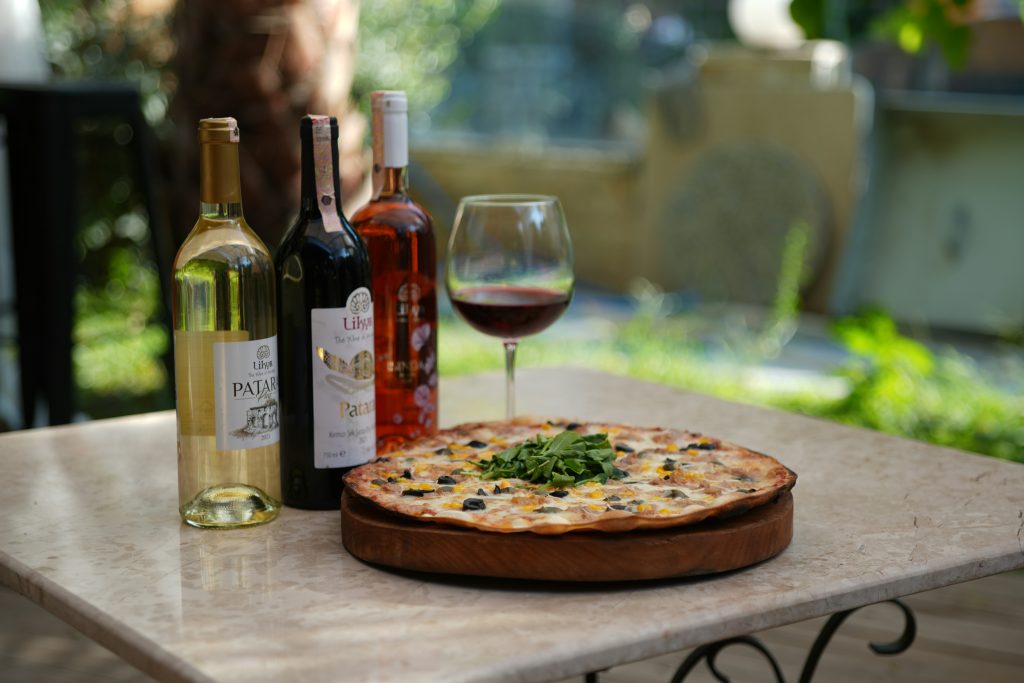
Every glass has a place behind it—and the next step in living Vinocultured is discovering the landscapes, people, and traditions that bring those flavors to life. → Explore Travel Life